

Andrew Lockwood’s Approach: Turning Prop Trading Into a Real Business
You’ve heard the saying, “Fail to plan, plan to fail.” It could not be truer for traders who take part in simulated prop evaluations.
Many traders struggle because they treat trading as a side activity instead of a structured process. Without a plan, even skilled people find themselves inconsistent and frustrated.
In this post, we’ll look at how a solid business plan can bring more structure and focus to your trading. You’ll also get:
✅ Andrew Lockwood’s full video walkthrough
✅ A free downloadable Trading Business Plan PDF you can start using today
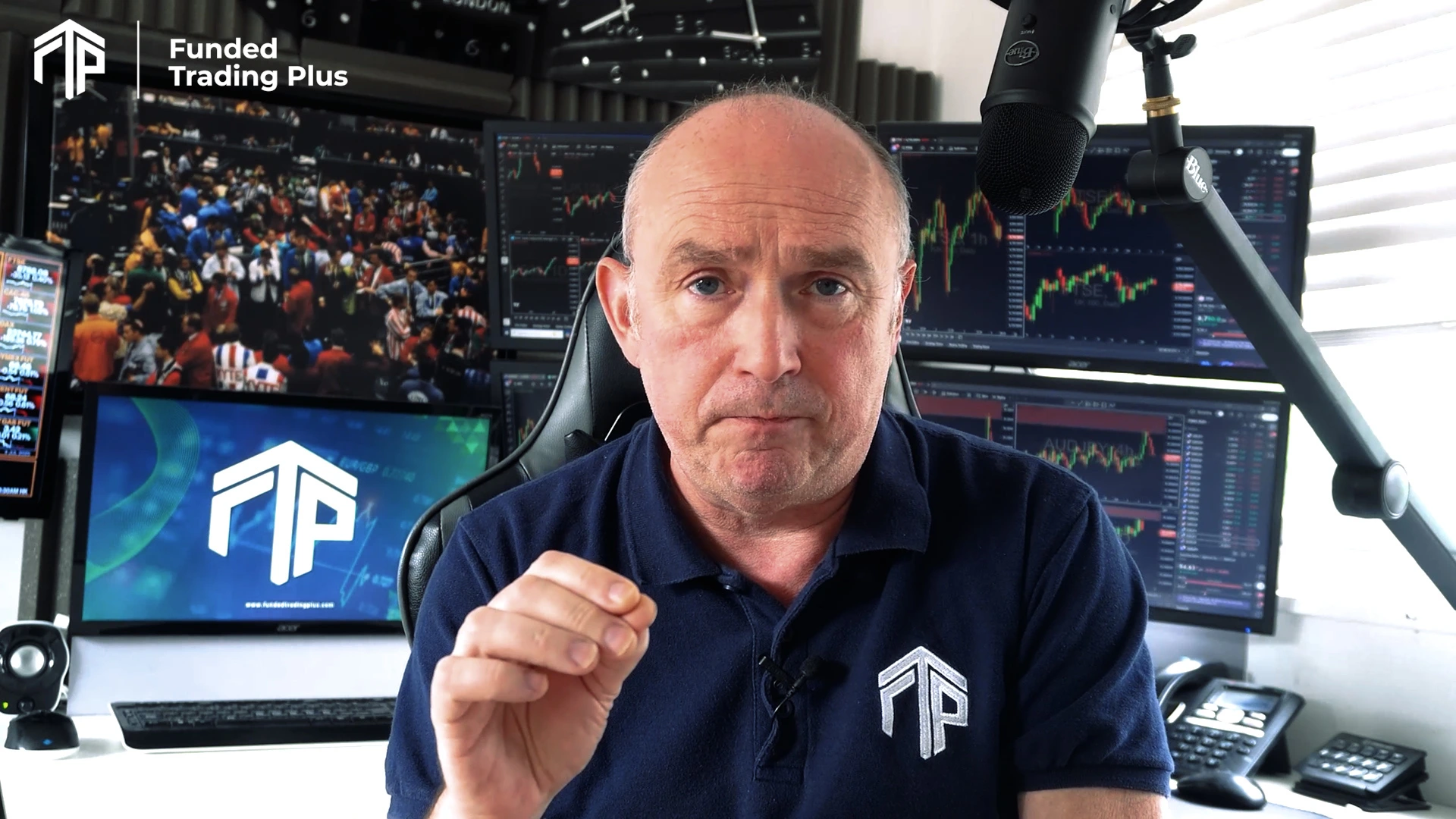
🎥 Watch Andrew’s Video: Adopting a Business-like Process in Simulated Prop Trading
In his video, Andrew explains how consistent traders often apply the same kind of planning that successful businesses rely on. He shares how to design your plan, what to include, and how to make sure it works alongside your trading strategy.
Why So Many Traders Struggle
The truth is that most traders do not reach their goals. It is rarely about intelligence or talent. The real issue is usually a lack of structure. Common problems include:
- Copying random strategies from social media without testing them
- Letting emotions take over trading decisions
- Ignoring risk management or skipping trade reviews
Trading in a simulated prop environment without a plan is like starting a company with no idea of your costs, goals, or systems. You might get short-term results by luck, but long-term consistency needs structure.
Trading Business Plan vs. Trading Strategy
They sound similar, but they have different purposes.
Trading Business Plan: The bigger picture. It includes your mission, time commitment, available resources, milestones, and review process.
Trading Strategy (or Trading Plan): The details. Entry and exit rules, risk settings, journaling, and back-testing.
Think of it like this. Your business plan is the company. Your strategy is the daily operation. You need both to stay consistent.
What to Include in Your Trading Business Plan
Andrew’s approach can be adapted by any trader who wants to build discipline and structure.
1. Goals and Objectives
Be clear about what you want to achieve. Some traders aim to gain experience or develop consistency. Others want to progress through simulated evaluations. Write down your goals and remember that all trading involves risk and results can vary.
2. Milestones and Timelines
Ask yourself:
- When will you aim to complete your simulated evaluation?
- If you qualify for a payout under the program rules, when might you request it?
Setting realistic dates gives you focus and keeps you accountable.
3. Time Commitment
Decide how many hours each week you can dedicate to trading. Balance it with your work and personal life. Consistency is more important than long hours.
4. Financial Allocation
Plan for every cost involved, not just the trades themselves.
- Hardware (screens, computer, backup system)
- Education (courses, mentoring, books)
- Software (journaling tools, data analysis, testing platforms)
- Program fees for evaluations
- Contingency funds for unexpected costs
5. SWOT Analysis (Strengths, Weaknesses, Opportunities, Threats)
Be honest with yourself.
Strengths: Patience, discipline, adaptability
Weaknesses: Over-trading, distraction, skipping reviews
Opportunities: Access to simulated capital through prop programs
Threats: Technical problems, financial pressure, lack of support network
6. Monitoring and Review
Review your progress every week or month. Keep a trading journal. Focus on process-based goals such as following your risk rules and managing emotions rather than chasing percentages. If results drift, adjust your plan and learn from your data.
7. Payout and Scaling Plan
If you meet the program criteria for a payout, plan how much simulated profit to withdraw and how much to keep as a safety buffer. If you qualify for scaling, think through how you will manage a larger simulated account responsibly.
How Strategy and Business Planning Work Together
Your trading strategy shows you how to trade. Your business plan helps you stay on course.
Strategy = The vehicle
Business Plan = The map
Even the best vehicle will not reach its destination without clear directions.
📥 Download Your Free Trading Business Plan PDF
We’ve created a printable version to help you organise your approach. It is designed as a planning tool only, not a guarantee of success. Inside you’ll find:
- Goal-setting templates
- A SWOT analysis page
- Budget planner
- Time tracker
- Scaling and payout roadmap
We’ll email your Trading Business Plan PDF straight to you so you can start building more structure into your trading routine.
Introducing Andrew Lockwood’s Prop Trader Mentoring Programmes
Great news: one-to-one and group mentoring with Andrew Lockwood is now open for purchase. These sessions give traders the chance to receive direct educational guidance, tailored feedback and structured support while navigating the rules of a simulated prop trading programme. With four carefully designed options, including immediate-booking sessions, you can now select the path that best matches your goals and experience.
Please click here for Mentoring details.
Disclaimer:
FT+ programs involve simulated trading accounts only. No real-money investment services are provided, and no client funds are managed.
Any “payouts” are performance-based fees from a simulated program. They are not investment returns.
Trading and trading education involve significant risk of loss. This content is educational only and does not constitute investment advice.
Past performance examples (including case studies or testimonials) do not guarantee or predict future results.
Program eligibility and scaling are subject to stated rules and terms.
About Andrew Lockwood
Andrew Lockwood is a seasoned professional trader with over 40 years of experience in financial markets. Starting his career on the floor of the London International Financial Futures Exchange (LIFFE) in the 1980s, Andrew has traded through multiple market cycles and volatility regimes. Today, he specialises in prop trading strategies, focusing on technical setups, risk management, and trader psychology. As the founder of PropIQ and a leading mentor, Andrew is dedicated to training the next generation of prop traders with proven, real-world trading methods.